

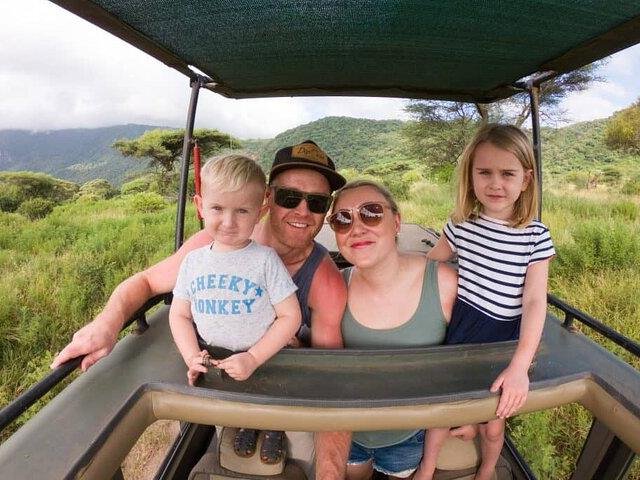
Tanzanian owned, Arusha based
Humble Cat Safaris is a Tanzanian-owned company based on Njiro Road in Arusha, and we sell one country.
Not Kenya, not Botswana, not Namibia. Tanzania, and mostly the northern circuit — Tarangire, Lake Manyara, the Ngorongoro highlands and the Serengeti — which our guides drive every week of the year.
That narrowness is the point. A guide working the same four parks continuously knows which Seronera kopjes the cheetah favour in March, which crater descent road holds up after rain, and roughly when the Tarangire herds move off the river. It is not something anyone can read up on the week before a trip. It accumulates, and it is the difference between being driven around a park and being shown one.
We run our own Land Cruisers and employ our own guides, so nobody sits between the person who plans your trip and the person who drives it. When we describe what a day will look like, we are describing something we have done rather than something we have booked on your behalf.
Four things we will not compromise on
Small vehicles, one guide
A maximum of six travellers per Land Cruiser, and the same guide from arrival to departure. You are never handed between drivers, and everybody gets a window.
Honest seasons
If the month you have picked is wrong for what you want to see, we will say so and suggest a different route rather than sell you the trip anyway.
Paid properly
Our guides are salaried, not tip-dependent, and their pay does not move with the season. We are happy to show you the numbers.
No hunting, ever
We do not work with hunting concessions or operators that run them, and we do not take bookings from clients travelling for that purpose.
Guides, not drivers
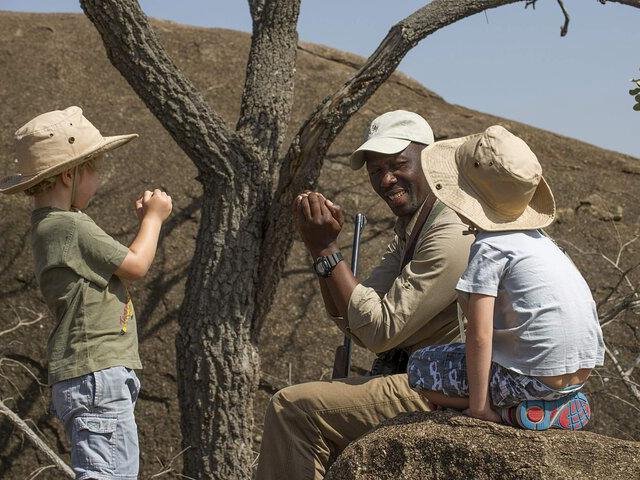
Every guide who works for us holds a Wildlife Management Authority certificate and has worked the northern circuit for at least eight years. They are salaried rather than tip-dependent, which means the person driving you has no reason to hurry you toward anything, or to linger anywhere for the wrong reason.
You keep the same guide from the airport to the airport. Nobody is handed over at a park gate.
- Meets you at arrivals and briefs you before the first drive
- Drives, spots and explains — one person, not three
- Holds a position for as long as the sighting deserves
- Reads the day: which gate, which road, which hour of light
- Knows the birds, the trees and the behaviour, not only the Big Five
What you actually sit in
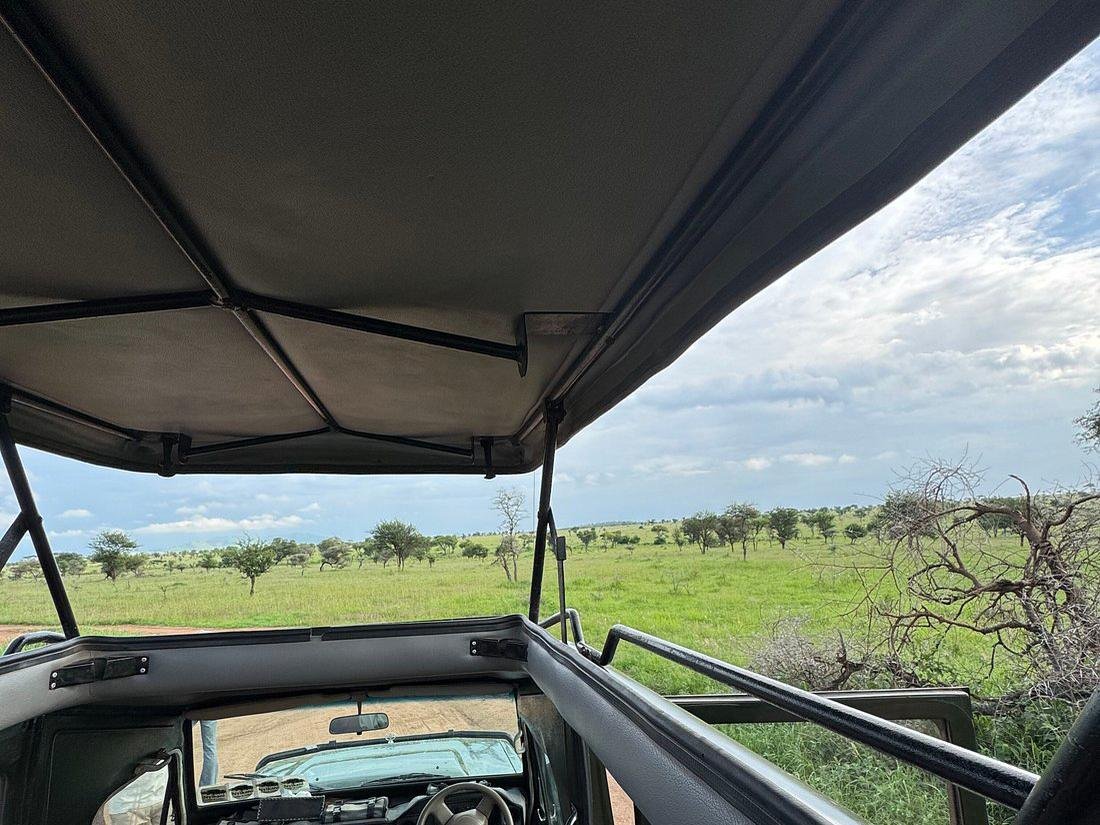
Extended Land Cruisers with a roof that opens, run and maintained by us rather than hired in for the season.
Most of what makes a long day in a vehicle bearable is unglamorous: where the light comes from, whether you can stand up, whether there is somewhere to rest a lens. These are the things we have fixed.
Six seats, six windows
A maximum of six travellers to a Land Cruiser, and a window seat guaranteed for every one of them. Nobody spends the day in a middle seat.
A roof that opens
The pop-top comes up at the gate and stays up. Standing to watch is the difference between seeing an animal and photographing one.
Your own vehicle
Most of what we run is private: one guide, one Land Cruiser, your pace. Stay with the leopard until it moves, or go back to the pool at noon.
Beanbags on the sills
On a photographic trip the sills carry beanbags for long lenses, because a 400mm handheld at first light wastes the light.
Charging in the back
Power for camera batteries while you drive, so the second morning is not spent rationing what is left of the first.
A row left empty
Photographic safaris run with one row of seats deliberately unsold. It costs us a seat and buys you room to turn around.
Where the money goes
The company is Tanzanian-owned and Tanzanian-staffed, and it buys locally. That is not a position taken for marketing reasons — it is what a company based in Arusha and run from Arusha looks like when nobody is extracting a margin somewhere else.
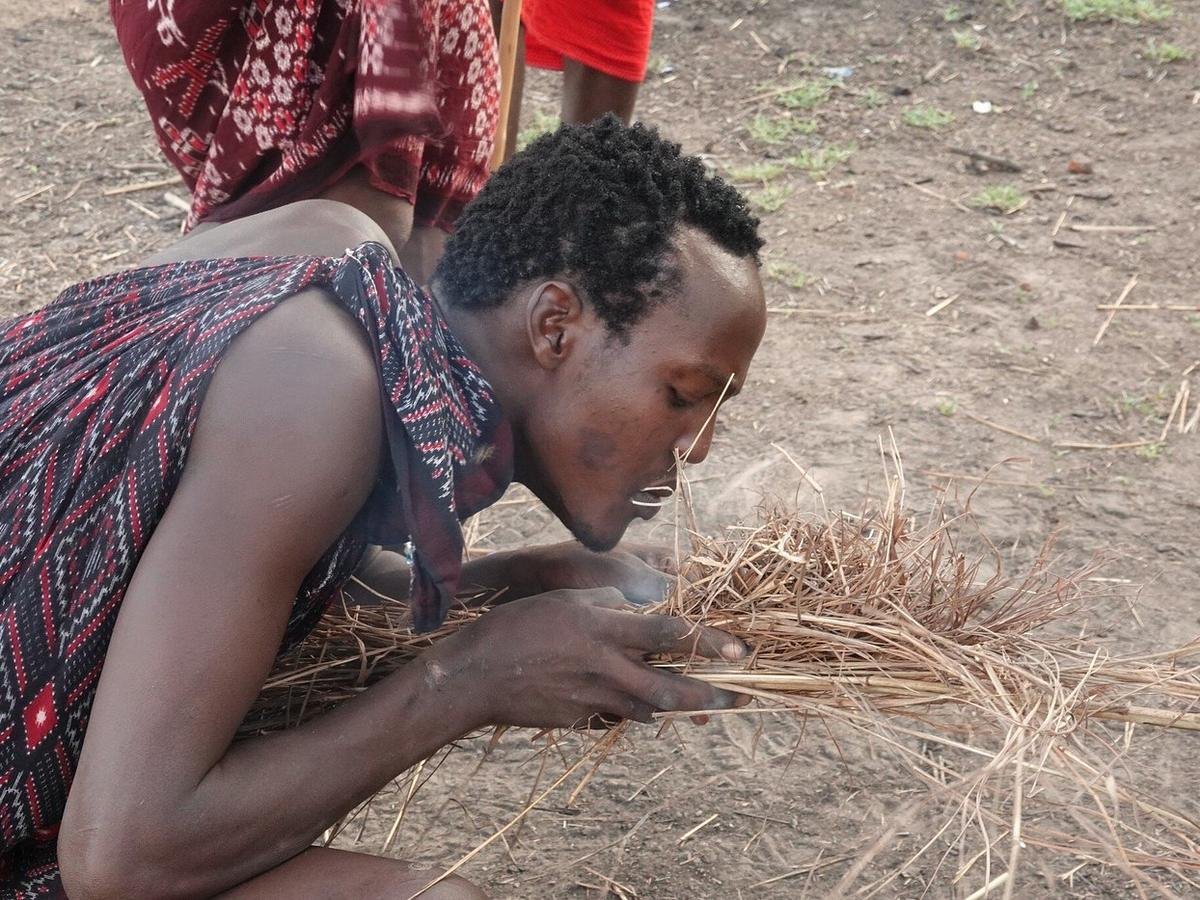
We do not work with hunting concessions, or with operators who run them. Cultural visits are arranged directly with the family or the village rather than staged for coach parties, and we will tell you honestly when something on an itinerary exists for the traveller rather than for the community.
Who you will actually deal with
The person who answers your first email is the person who plans the trip, and they sit in the Arusha office rather than in a call centre somewhere else.
Tell us what you have in mind
Dates, how many of you, roughly what you want to spend. A specialist in Arusha writes back, usually within one working day.