Skip to content
Humble Cat Safaris TanzaniaHumble Cat Safaris Tanzania
Humble Cat Safaris Tanzania
Message on WhatsApp
Tanzania — Northern Circuit

Tanzania safari in 2026–2027

About

What a Tanzania safari actually is

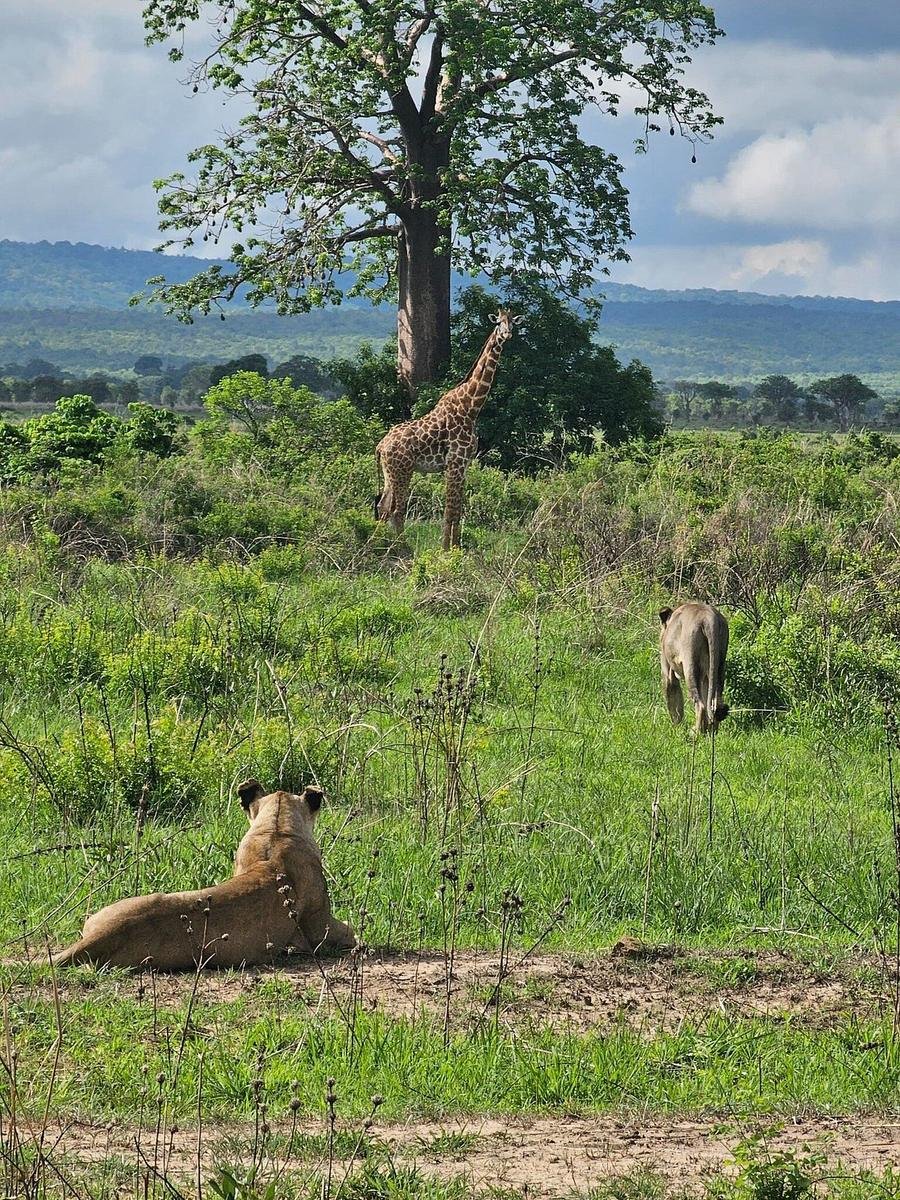
Tanzania protects nearly a third of its land. That is not a marketing line — it is why the country holds the Serengeti, the Ngorongoro Crater and roughly a fifth of Africa's large mammals. Most first trips cover the northern circuit: four parks close enough together to drive between, each with a different character and a different best month.

A safari here is early mornings, long light, and a great deal of sitting still. The good moments are unhurried ones. We build trips that leave room for them, and we will tell you when the month you have chosen is wrong for what you want to see.

See the itineraries

Highlights

What the country holds

The Great Migration

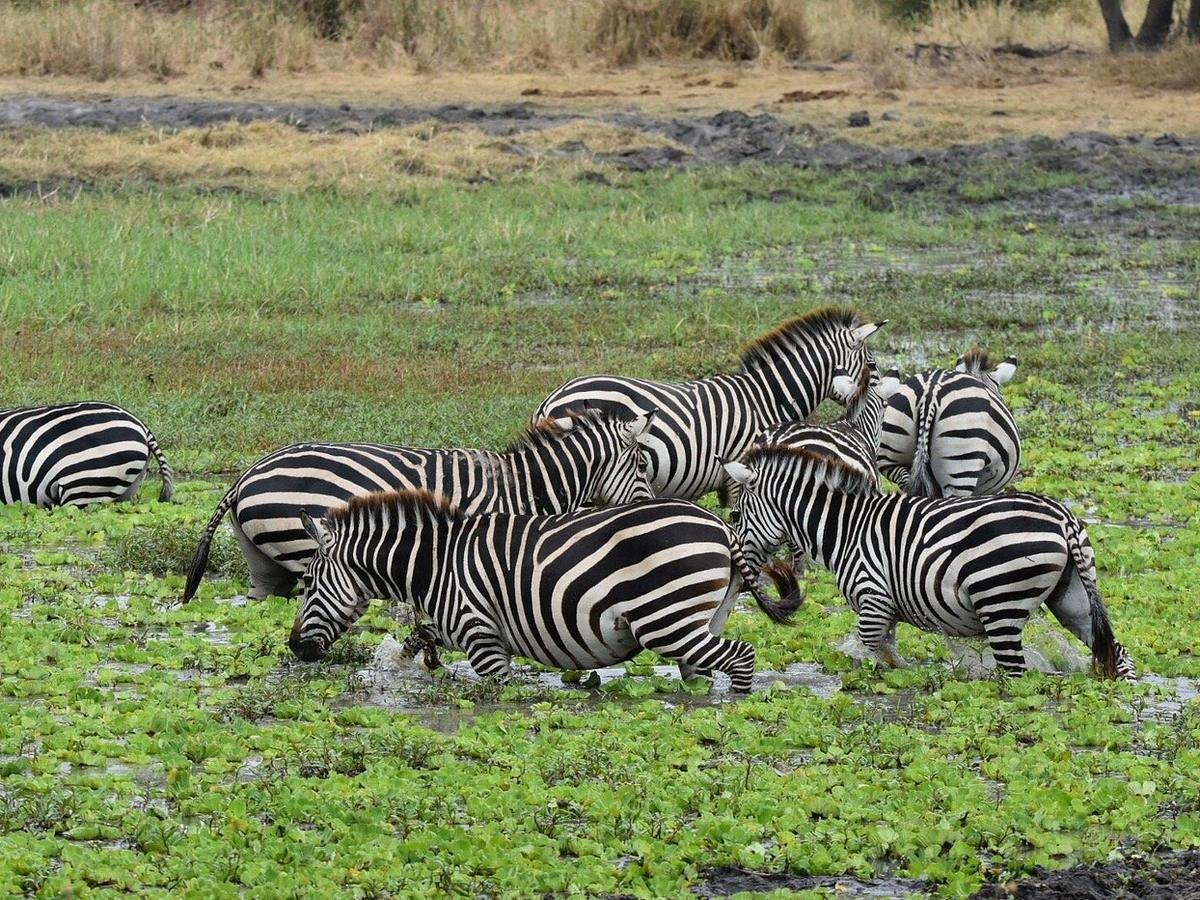
Roughly 1.5 million wildebeest and 300,000 zebra moving in a loop through the Serengeti all year. Where they are depends entirely on the month.

Ngorongoro Crater

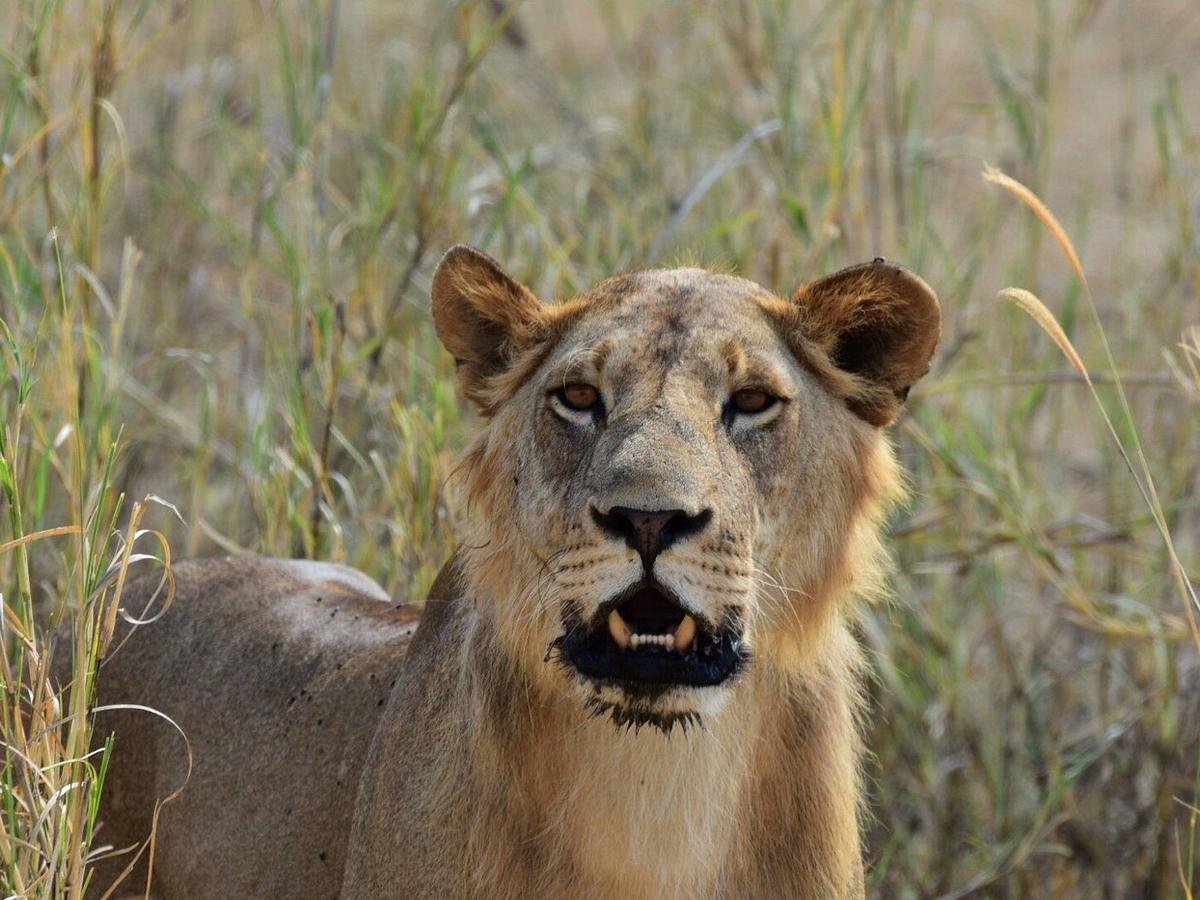
An intact caldera holding about 25,000 large animals year-round, including the densest lion population in Africa and a handful of black rhino.

The Big Five

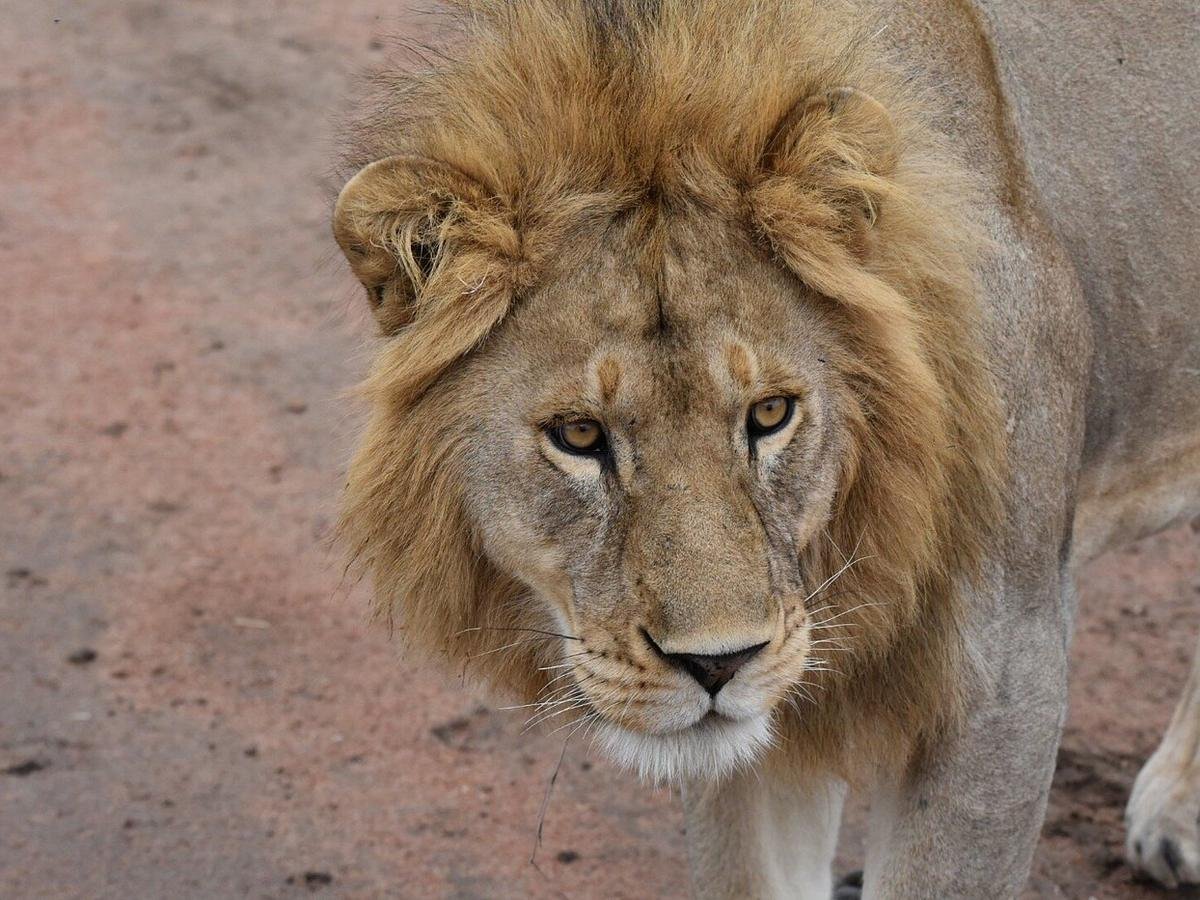
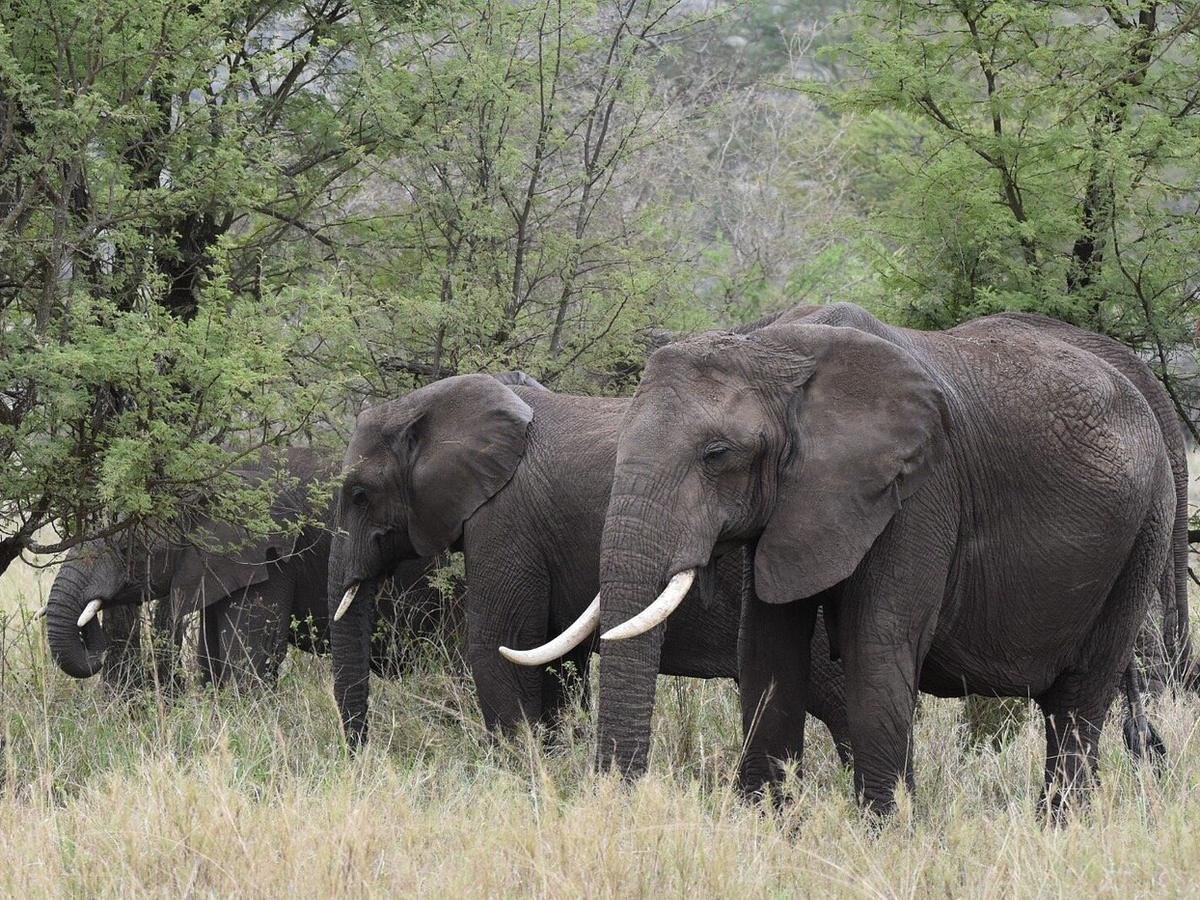
Lion, leopard, elephant and buffalo are realistic on any week-long northern circuit trip. Rhino are the hope, not the promise — and we say so up front.

Over 1,100 bird species

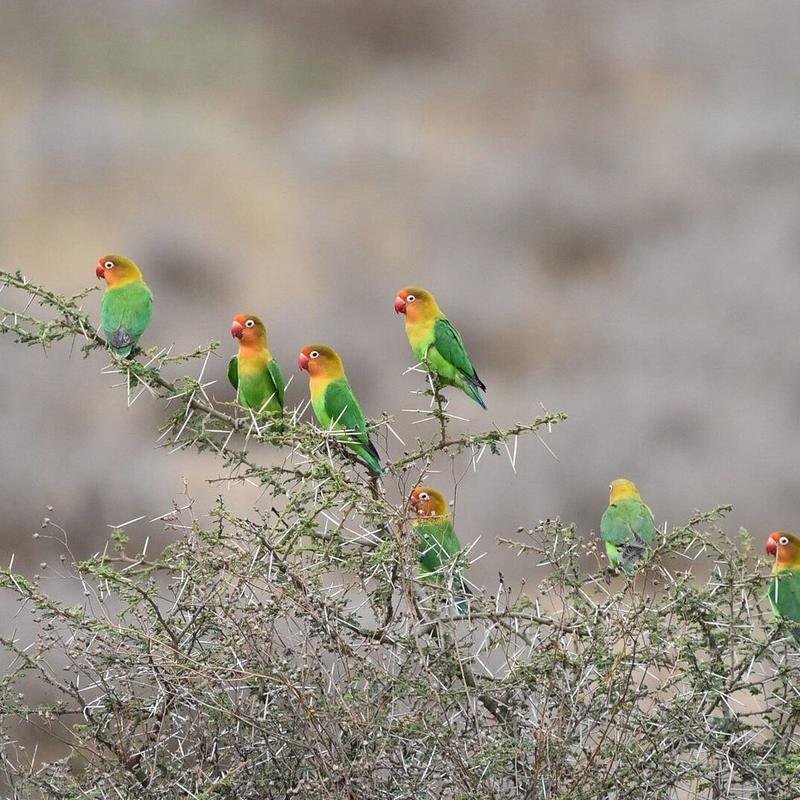
Tanzania is one of the richest birding countries on earth. November to April brings the migrants in, and Tarangire alone holds over 500 species.

Chimpanzees in the west

Gombe and Mahale, on the shore of Lake Tanganyika, hold the habituated chimpanzee communities Jane Goodall made famous. A long way, and worth it.

The coast, afterwards

Zanzibar is a short flight from Arusha. Three or four nights on the coast is how most people finish a safari, and we will book it with the trip.

Itineraries

Most popular Tanzania safaris

Every route here is one we run ourselves, and park fees are in every quote we send. Scroll through a few of them, then open the full library to filter by park, by kind of trip and by how long you have.

Highlights

Classic Northern Circuit — Tarangire, Ngorongoro & Serengeti

7 days · Classic

Seven days across the three parks that made northern Tanzania famous, at a pace that lets you sit still.

See all 11 itineraries

The process

How a safari with Humble Cat works

01

You tell us the shape of the trip

Dates, how many of you, roughly what you want to spend, and anything that matters — a birthday, a bad back, a child who will not sit still for six hours.

02

A specialist in Arusha writes back

Not a quote engine. Someone who has driven the route, usually within one working day, with a draft plan and the reasoning behind it — including what we would do differently.

03

We rework it until it is right

Most trips go through three or four drafts. Swap a camp, add a night, move the whole thing a month because the one you picked is wrong for what you want to see. No charge for any of it.

04

A deposit holds it

Thirty per cent confirms camps and park permits; the balance is due sixty days before you fly. You get a written confirmation listing every booking with its own reference.

05

We meet you at the airport

Kilimanjaro International, with a briefing that evening. Your guide stays with you for the whole trip — not a different driver each morning.

06

Someone is reachable the entire time

A real person on WhatsApp, in Tanzanian hours, for as long as you are in the country. If something goes wrong at 6am in the Serengeti, that is exactly when it matters.

Where to go

Top safari destinations

Tanzania has three safari circuits and they are not interchangeable. Which one is right depends on how much time you have, what you want to see, and whether this is your first trip.

Where we run most trips

Northern Circuit

Four parks within a day of each other, reached by road from Arusha. This is the circuit that made Tanzania famous, it holds the migration and the crater, and it is where our guides work every week. If this is your first safari, it is almost certainly the right answer.

  • Serengeti
  • Ngorongoro Crater
  • Tarangire
  • Lake Manyara
  • Arusha National Park
  • Lake Eyasi
Best months June – October, and February for calving
Getting there Road from Arusha, or a one-hour flight to Seronera
Quieter, wilder, further

Southern Circuit

Nyerere and Ruaha are enormous and almost empty of vehicles. Walking safaris and boat safaris are permitted here in a way they are not in the north. It costs more to reach and rewards a second or third trip more than a first one.

  • Nyerere (Selous)
  • Ruaha
  • Mikumi
  • Udzungwa Mountains
Best months June – October; much of it closes in the long rains
Getting there Flight from Dar es Salaam, roughly 1–2 hours
The specialist trip

Western Circuit

Mahale and Gombe for chimpanzees, Katavi for buffalo herds in numbers that are hard to believe. Remote, expensive and logistically demanding. We arrange it, but we will tell you honestly whether it suits the trip you are describing.

  • Mahale Mountains
  • Gombe Stream
  • Katavi
Best months May – October for chimpanzee trekking
Getting there Charter flight only; plan around fixed departure days
Timing

Safaris for when you can travel

Pick the month you have in mind. Trips that are wrong for it drop out of the list.

Timing

Best time to go

Tanzania spans a wide range of altitudes and climates, so "when" has five different answers depending on what you are optimising for. Pick the one that matters to you.

  • Jun
  • Jul
  • Aug
  • Sep
  • Oct
  • Feb

June to October for classic dry-season game viewing — short grass, thin bush, animals concentrated on the water that is left. February is the other answer: half a million wildebeest calve on the Ndutu plains in about three weeks, and every predator in the ecosystem turns up. If you want hunting rather than grazing, come in February.

  • Jul
  • Aug
  • Sep
  • Dec
  • Jan

July to September on the northern circuit, plus the fortnight either side of Christmas. Camps in the northern Serengeti sell out six to nine months ahead and festive-season rates apply from about 20 December. The southern and western circuits stay far quieter through the same months.

  • Apr
  • May
  • Nov

April and May, and to a lesser extent November. Rates drop substantially and you can have a sighting to yourself. The trade is real: tall grass hides cats, some camps close, and Tarangire roads get difficult. Late May and November are the value sweet spots — genuinely good, genuinely cheaper.

  • Jun
  • Jul
  • Aug
  • Sep

June to September. Little or no rain, clear mornings, and daytime highs around 24–25°C on the northern circuit. Bring a fleece regardless — the Ngorongoro rim sits at 2,300m and dawn there is near 10°C, which catches almost everyone out.

  • Mar
  • Apr
  • May

The long rains, late March to May, with April the wettest. Rain here is heavy and prolonged rather than a passing shower. It is the one period we will usually talk a first-time visitor out of — not because nothing is possible, but because you would be paying for a compromised version of the trip you imagined.

Free, no strings

What to pack, by someone who has seen what people forget

A one-page checklist for the northern circuit: what the 15kg soft-bag limit on internal flights really means, which layers you need for a 10°C crater rim and a 30°C afternoon, and the four things guests most often wish they had brought.

Extensions

What to do before or after the safari

You have come a long way. Most guests add something at one end, and we book it as part of the same trip.

3 – 5 nights · after the safari

Zanzibar & the coast

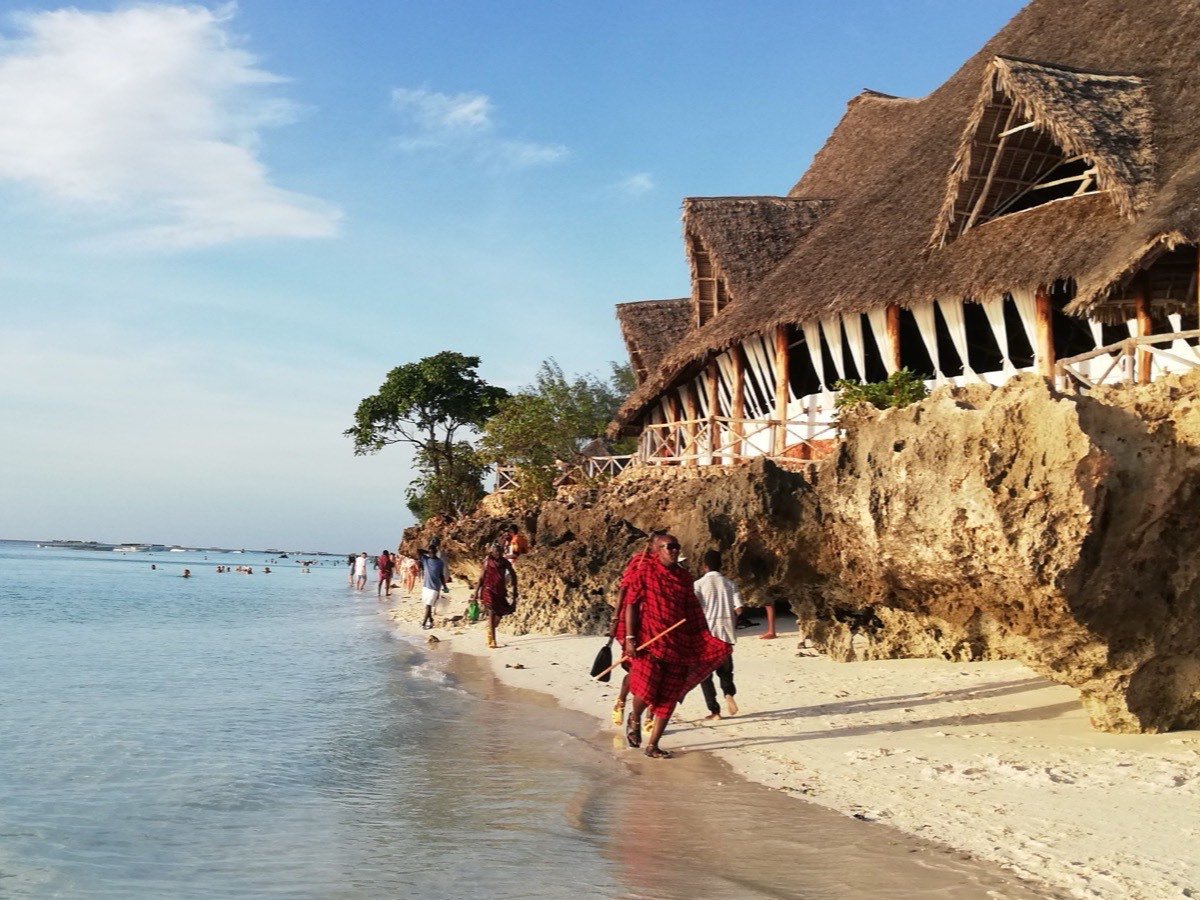
A short flight from Arusha. Stone Town for a night, then the east or north coast. The obvious way to finish, and the one most guests are glad they booked.

6 – 9 days · before the safari

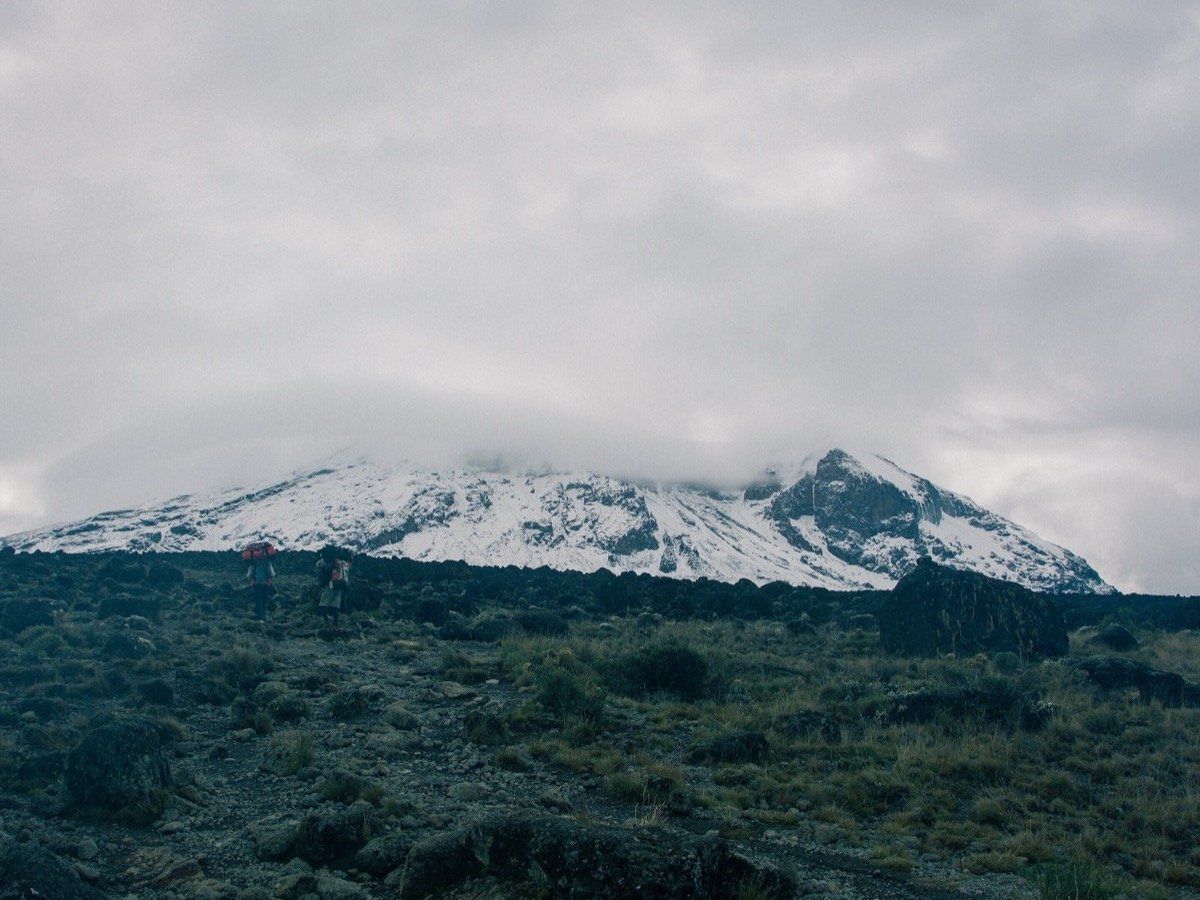
Climb Kilimanjaro

Do the mountain first. You want the safari as the reward, and you do not want a summit attempt on legs that have already done one.

1 day · either end

Culture around Arusha

A Maasai homestead arranged directly with the family, a coffee farm on the escarpment, or the Materuni falls. Good use of an arrival or departure day.

Ask us to add one

Straight answers

Popular questions about a Tanzania safari

Six or seven days on the ground is the realistic minimum for the northern circuit. Four days works if you stay close to Arusha — Tarangire, Lake Manyara and the Ngorongoro Crater — but you will spend a large share of it driving. Adding the Serengeti sensibly means eight days or a short internal flight. Under four days, we would honestly suggest a day trip instead.

Budget roughly $250–$400 per person per day for a mid-range private safari, $450–$700 for something more comfortable, and beyond $900 for the well-known luxury camps. Park fees alone are $70–$100 per person per day and are non-negotiable — around a third of a mid-range trip is government fees. Anyone quoting far below these numbers is cutting something you would rather they had not.

June to October for classic dry-season game viewing, February for predator action during calving, and late May or November for value with real trade-offs. April is the one month we will usually talk people out of. The month-by-month guide on this page sets out each one honestly.

You will see the herds if you go to the right part of the Serengeti in the right month — they are in the ecosystem year-round, not seasonal visitors. A river crossing is different. Crossings are unpredictable: herds can stand at the bank for hours and then not cross at all. We will put you in the right place at the right time and give you the days to wait, but nobody can promise a crossing, and you should be wary of anyone who does.

Yes, on a guided safari. The parks are well managed and violent crime against tourists is rare. The genuine risks are ordinary ones: road traffic, sun, and stomach upsets from unsafe water. In Arusha and Moshi, take the same precautions you would in any city — do not walk alone late at night, and use arranged transport rather than flagging one down.

Yellow fever proof is required only if you are arriving from a country where it is endemic — including a layover of more than twelve hours. Malaria prophylaxis is strongly advised for the whole northern circuit; the crater rim is high enough that risk is lower, but the rest is not. This is general information and not medical advice: see a travel clinic six to eight weeks before you fly.

Neutral colours, layers, and less than you think. Mornings on the crater rim can be near 10°C while afternoons in the Serengeti pass 30°C. Soft-sided bags only if you are taking an internal flight, where the limit is usually 15kg including hand luggage. There is a full checklist to download on this page.

For most people, yes. A private vehicle means you decide when to leave, how long to stay at a sighting and when to go back to a leopard you found yesterday. Group departures are cheaper and perfectly good, but you move at the pace of six other people. For photographers, private is not really optional.

Around $20–$25 per vehicle per day for your guide, and $10–$15 per guest per day split among camp staff, is the current norm. Tip in US dollars or Tanzanian shillings, in cash. We will tell you what your guide is paid before you go, so you are deciding from information rather than guesswork.

Yes, and both are common. Zanzibar is a short flight from Arusha and works well as three or four nights afterwards. Kilimanjaro is best done before the safari, not after — you want the safari as the reward, and you do not want a summit attempt on tired legs.

A Toyota Land Cruiser with a pop-up roof, charging points, a fridge and a window seat guaranteed for every guest — we do not put more than six people in a vehicle even when the seats exist. Minivans are cheaper and common in Tanzania; we do not use them off tarmac.

The deposit is non-refundable because we pay it straight to camps and park authorities. After that, refunds taper with proximity to travel — the exact schedule is in the terms and is given to you in writing before you pay anything. Comprehensive travel insurance including medical evacuation is a condition of travelling with us.

Where the money goes

Wildlife conservation

Placeholder projects — replace these with the ones you actually fund, and the amounts, before launch.

Anti-poaching patrols

A share of every booking funds ranger patrol days in the western Serengeti corridor.

Tree planting around Arusha

Indigenous species on degraded farmland, planted with the schools that then look after them.

Guide training bursaries

Full course fees for two trainee guides a year, prioritising women, who are badly under-represented in the profession.

Human–wildlife conflict

Beehive fences on the Tarangire boundary, which keep elephant out of crops without harming them.

Start here

Tell us the trip you have in mind

No quote engine behind it. It goes to a specialist in Arusha who reads it and writes back.

Ready to plan your safari?

Ask us anything — routes, seasons, camps, budgets. A specialist in Arusha answers, usually the same working day.